
How to Spot Wind Damage on Roof Shingles | Northern Colorado Roofing Guide

How to Spot Wind Damage on Roof Shingles in Northern Colorado
If you live in Northern Colorado, you already know—wind is no joke here.
Between Chinook winds, spring storms, and sudden gusts rolling off the Front Range, your roof takes a beating year-round. And unlike hail damage, wind damage can be subtle, making it easy to miss until it turns into a much bigger (and more expensive) problem.
The truth is, many homeowners don’t realize their roof has wind damage until they’re dealing with leaks, missing shingles, or insurance complications.
In this guide, we’ll break down:
- How wind actually damages your roof
- The most common signs to look for
- What to do if you suspect damage
- And when it’s time to call a professional
Why Wind Damage Is So Common in Northern Colorado
Northern Colorado regularly experiences high wind events—often exceeding 60–80 mph.
Areas like Fort Collins, Windsor, Timnath, and Loveland are especially exposed due to:
- Open terrain and farmland
- Rapid weather shifts along the Front Range
- Seasonal storm patterns (especially in spring and fall)
These winds don’t just blow debris around—they lift, loosen, and weaken your shingles over time.
Even if your roof looks fine from the ground, underlying damage may already be happening.
How Wind Damages Roof Shingles
Wind doesn’t always rip shingles off immediately. More often, it works gradually.
Here’s what actually happens:
- Lifting: Wind gets under the edge of a shingle and lifts it
- Breaking the seal: Asphalt shingles are sealed together—wind can break that seal
- Creasing: Once lifted, shingles can crease or crack
- Water intrusion: Compromised shingles allow water underneath
Once that seal is broken, your roof becomes vulnerable—even if the shingle is still in place.
Top Signs of Wind Damage on Shingles
Here’s what to look for after a windy day or storm:
1. Missing Shingles

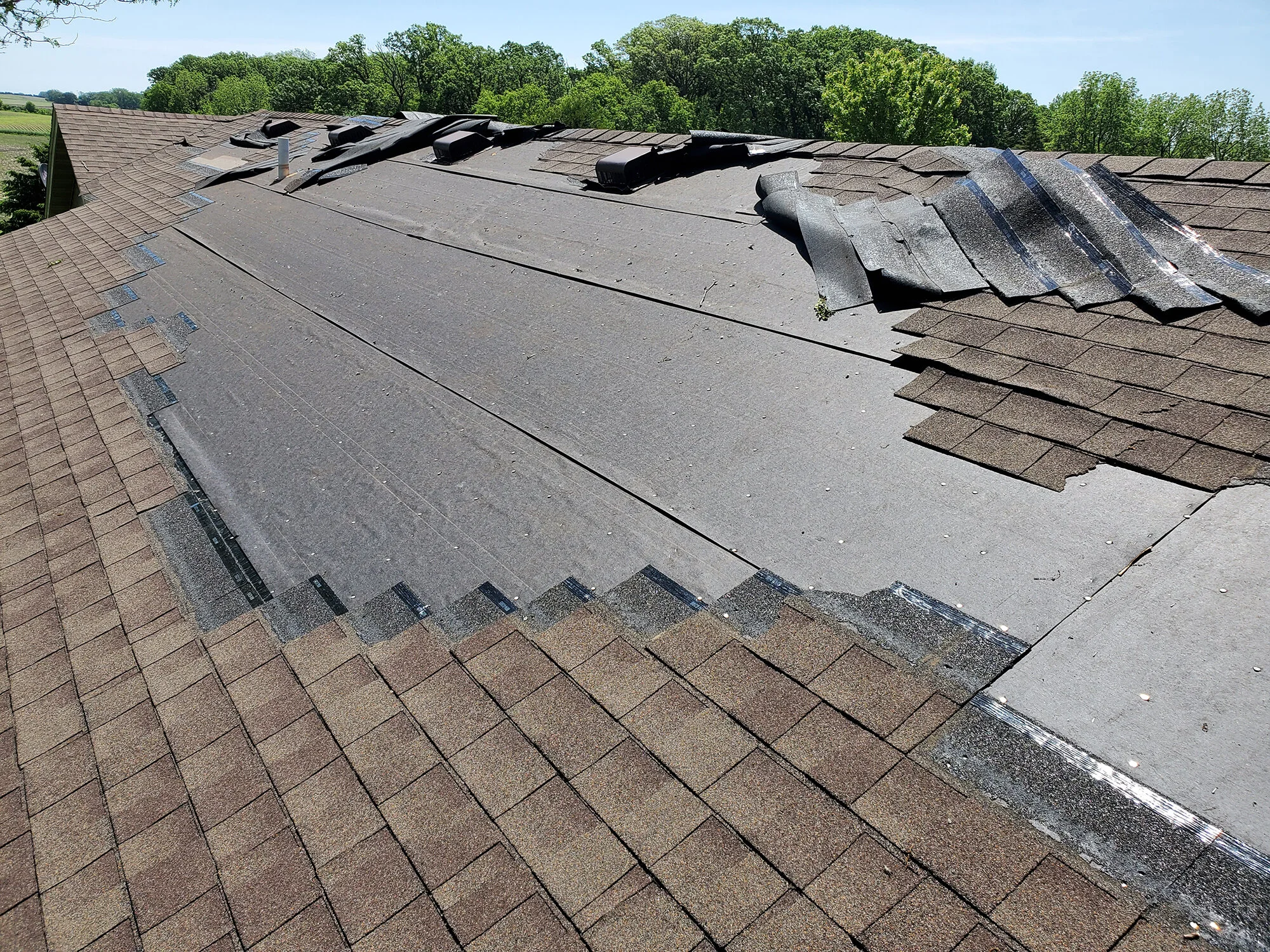
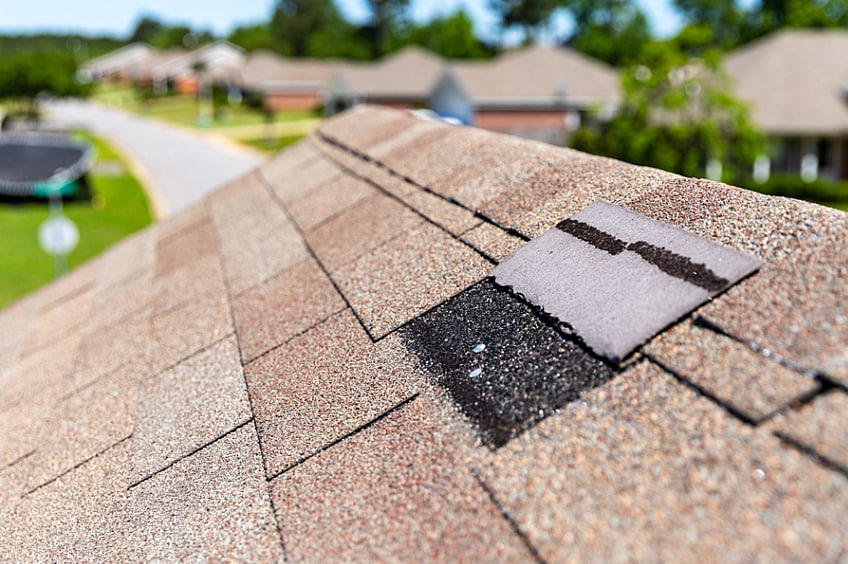
This is the most obvious sign. If you see bare spots or exposed roofing materials, you have active damage that needs immediate attention.
2. Lifted or Curling Shingles
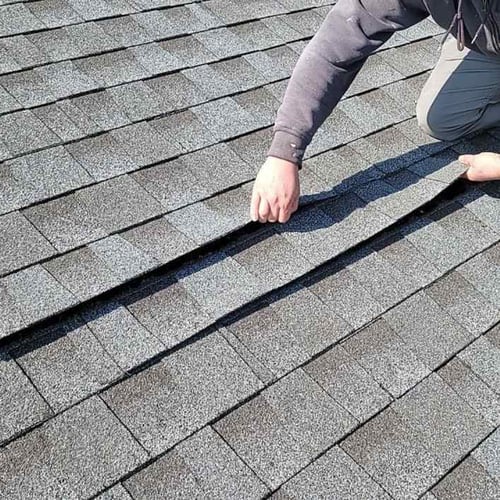


Shingles that appear raised, curled, or not laying flat are often a result of wind breaking the adhesive seal.
3. Creased or Cracked Shingles


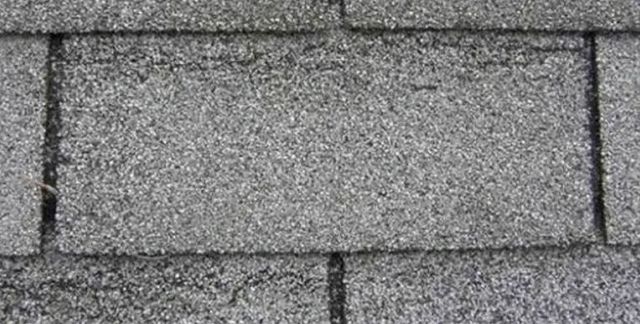
This is one of the most overlooked signs. When wind bends shingles back, it can create a visible crease—this weakens the shingle permanently.
4. Granule Loss Around Your Property


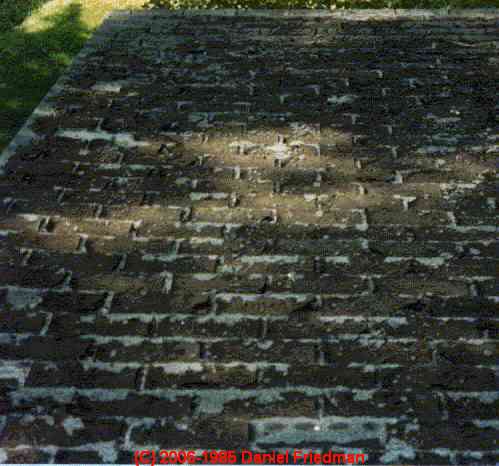
If you notice granules in your gutters, driveway, or yard, your shingles may be deteriorating due to wind stress.
5. Debris Impact + Roof Damage


Wind often brings debris with it. Even small branches can damage shingles or loosen their structure.
Why Wind Damage Often Goes Undetected
Unlike hail damage, wind damage doesn’t always leave obvious marks.
Many homeowners assume:
“If shingles aren’t missing, my roof is fine.”
But that’s not always true.
Hidden damage like broken seals or creasing can lead to:
- Slow leaks
- Premature roof aging
- Reduced wind resistance in future storms
- Insurance complications if left unaddressed
What to Do If You Suspect Wind Damage
If you think your roof may have been affected, here’s what to do:
1. Do a Safe Ground-Level Check
Walk your property and look for:
- Shingles on the ground
- Debris buildup
- Visible roof irregularities
Avoid getting on the roof yourself—it’s not worth the risk.
2. Document What You See
Take photos of:
- Missing shingles
- Debris
- Any interior leaks or ceiling spots
This can help later if an insurance claim is needed.
3. Get a Professional Inspection
This is the most important step.
A trained roofing contractor can identify:
- Lifted or unsealed shingles
- Creases and hidden damage
- Areas at risk of future failure
Does Insurance Cover Wind Damage in Colorado?
In many cases—yes.
Wind damage is typically covered under standard homeowner’s insurance policies. However, the key is proper documentation and timing.
Here’s how it usually works:
- Damage is identified and documented
- A claim is filed
- An adjuster inspects the roof
- Scope of work is approved (or partially approved)
Where things can go wrong:
- Damage is missed or underreported
- Important items (like ventilation or code upgrades) are excluded
- Claims are delayed too long
This is why working with a contractor who understands the insurance process matters.
When to Call Colorado Native Roofing & Exteriors
You don’t need to wait until your roof is leaking.
We recommend reaching out if:
- You’ve experienced high winds recently
- You notice any of the signs above
- Your roof is 5+ years old and hasn’t been inspected
- Neighbors are getting repairs or replacements
Why Homeowners Choose Colorado Native Roofing & Exteriors
We’re not a volume-based roofing company—we’re built on relationships, referrals, and doing things the right way.
With our BuiltRight™ Guarantee, you get:
- Honest inspections (no pressure, no gimmicks)
- Full photo documentation so you can see everything
- Insurance advocacy to make sure nothing is missed
- Proper ventilation + installation focus (this is where most roofs fail)
- Lifetime workmanship warranty
We’re local, family-owned, and we treat your home like it’s our own.
FAQs About Wind Damage on Roofs
1. Can wind damage a roof without removing shingles?
Yes. Wind can lift and crease shingles, breaking the seal without tearing them off.
2. How much wind does it take to damage shingles?
Damage can start around 45–60 mph, especially on older roofs.
3. How do I know if a shingle seal is broken?
This requires a hands-on inspection—shingles may look normal but lift easily if unsealed.
4. Should I file an insurance claim right away?
It’s best to get a professional inspection first to confirm there’s legitimate damage.
5. Can wind damage be repaired, or do I need a full replacement?
It depends on the extent. Minor damage may be repairable, but widespread issues often require replacement.
Final Thoughts: Don’t Let Wind Damage Turn Into a Bigger Problem
Wind damage is one of the most overlooked roofing issues in Northern Colorado—but it can lead to serious problems if ignored.
A quick inspection today could save you thousands down the road.
Schedule Your Free Roof Inspection
If you’re in Fort Collins, Windsor, Timnath, Loveland, or surrounding areas, we’re here to help.
👉 Free, no-pressure inspections
👉 Detailed reports with photos
👉 Expert guidance on next steps
Colorado Native Roofing & Exteriors
BuiltRight™ from start to finish